
Podcast for Homeowners Preparing to Renovate

Top 5%
RANKED PODCAST
LISTEN ON APPLE PODCAST

LISTEN ON SPOTIFY

03: Renovating? Don’t Google Contractors Near Me. Do This Instead…
Why Design Must Come Before Demo (And How to Plan It the Right Way)
If you’re thinking about renovating your home and you’re not sure where to start, you are not alone. This is one of the biggest pain points I see with homeowners — and it’s exactly why I created the podcast Preparing for Your Home Remodel.
In the last episode, I talked about where you actually begin in the renovation process. And if you haven’t listened to that one yet, I highly recommend starting there. Because today, I want to build on that foundation and explain why calling a contractor is not the first step — and what you should be doing instead.
The goal here is simple:
We want to help you create a home you love without stress, chaos, or expensive mistakes.
I’ve Been There — Even as a Designer
Early in my career, after years of schooling and experience working for a design-build firm, I took on a massive renovation project on my own. It was a 5,000-square-foot home. We gutted it completely, transformed a racquetball court into multiple living spaces, and reworked nearly every inch of the house.
And even with my background, I was overwhelmed.
I remember thinking, I didn’t think about that… and I didn’t think about that either. There were things I simply didn’t know yet. And that experience taught me something I carry into every project today:
If a remodel can feel overwhelming for a designer, imagine how it feels for a homeowner doing it for the first time.
When you don’t know what you don’t know, things get missed — and that’s when stress creeps in.
Need Help With Your Remodel?

Book Your 1 hour Design Consultation
Your Customized Plan So You Can Renovate With Clarity and Confidence
The Biggest Mistake I See Homeowners Make
One of the most common (and costly) mistakes I see is this:
Demo starts before there is a design plan.
Here’s how it usually plays out:
You Google “contractors near me”
You get a few estimates
You pick one and sign a contract
The contractor schedules demo
Your kitchen gets ripped out
And then the questions start
Suddenly you’re told:
“I need you to go to the showroom and pick tile. I need your decision by Wednesday.”
It’s Monday. You work. The showroom closes at five. You’re on your own.
Now you’re scrambling to make permanent decisions under pressure, without guidance, and without time to think. I hear this story all the time — and it is incredibly stressful.
Let’s not do that.
Design Before Demo — Always
This is something I will preach forever:
Design has to come before demo.
All of it. Every decision. Every detail.
If you want to stay on budget and on schedule, you cannot skip this step. When you don’t have a design plan:
Contractors are constantly asking questions
Decisions are rushed
Stress skyrockets
Budgets creep
Regret becomes more likely
Design gives you time — time to:
Look at samples in your actual home
See how finishes feel with your lighting
Sleep on decisions
Feel confident instead of rushed
Good decisions require space. Design creates that space.
Where Contractors Do Fit In Early On
Now, that doesn’t mean contractors disappear entirely in the early phases.
Before you design, there is a step where you get ballpark numbers. These are not bids. These are not contracts. These are ranges to help guide your expectations.
This prevents you from designing a dream kitchen only to find out later that it’s completely out of reach. Ballparks help you design within reality, not beyond it.
Once you have that clarity, then it’s time to design.
Casting the Vision: This Is Where Pinterest Comes In
Yes — eventually, you do get to go to Pinterest.
This phase is about casting the vision, not making final decisions. You’re looking for:
Mood
Feeling
Style direction
You might love the overall vibe of an image but not every detail — and that’s okay. This is a wide-net phase. You’re creating a concept board that reflects how you want your space to feel.
This board becomes your anchor later, when you’re deep in decisions and feeling overwhelmed. It reminds you where you’re headed and keeps you from drifting off course.
LISTEN ON APPLE PODCAST

LISTEN ON SPOTIFY
The 3 Core Steps of Design Planning
Once your concept is set, the real design work begins.
Function Comes First
Before anything looks pretty, it has to work.
Ask yourself:
How do I use this space now?
What drives me crazy?
What needs to change for this space to function better?
Function impacts everything — budget, layout, and materials. A beautiful space that doesn’t function well isn’t good design. If you’re still frustrated every time you open a cabinet, it doesn’t matter how pretty it is.
Layout Is Next
Layout dictates everything that follows.
If walls move, appliances shift, or plumbing changes, it creates a domino effect. That’s why layout decisions must be made before you choose finishes.
If you’re doing this yourself, tools like SketchUp (free version) can help you explore layout options and make changes over time. And yes — YouTube is your friend here.
Once again, this can be another moment to sanity-check costs with a contractor before you go any further.8
Selections Come Last
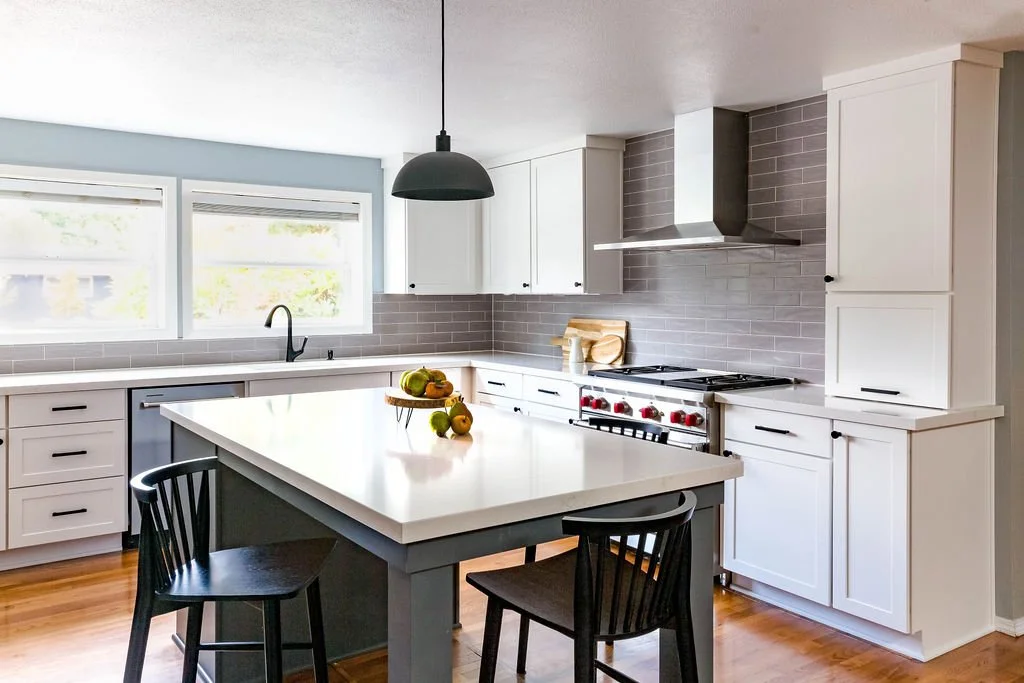
Only after function and layout are locked in do you start selecting:
Plumbing fixtures
Lighting
Hardware
Tile
Countertops
Cabinetry
Paint colors
There are far more selections than most homeowners realize. And missing even one can cause delays later.
That’s why I’ve created a complete renovation selection checklist — a list of everything you may need to decide on in a remodel. You can find the link in the show notes if you want it.
The Goal: An Organized, Confident Remodel
When you follow this process, everything changes.
You’re no longer reacting — you’re leading.
Your contractors have what they need.
Decisions feel clear instead of rushed.
Your remodel feels organized, not chaotic.
That’s how we make remodels easier.
These are just the first foundational steps, and we’ll continue building on them in future episodes of Preparing for Your Home Remodel. If you want to stay organized, avoid stress, and create a home you truly love, keep listening — we’re just getting started.
Next Episode
LISTEN ON APPLE PODCAST
LISTEN ON SPOTIFY